Every spring, someone in Anderson Township or Loveland asks the same question: what can I plant that the deer will not touch? The honest answer is that no such plant exists. What does exist is a long list of plants deer usually pass over in favor of something tastier, and a shorter list of plants they go after first no matter what else is available. Knowing both lists is the actual strategy.
What “Deer Resistant” Actually Means
“Deer resistant” is a preference ranking, not a warranty. It describes plants that deer typically avoid when better options are around, usually because of a strong scent, a fuzzy or leathery leaf texture, a bitter or toxic compound, or a taste deer find unpleasant. None of that makes a plant immune. A hungry deer in a hard winter, or a young deer still learning what to eat, will sample almost anything within reach, including plants on every resistant list ever published.
That is the gap most homeowners fall into. They plant a “deer resistant” garden, watch it survive a mild year, and assume the problem is solved. Then browsing pressure rises, a food source dries up nearby, or a new doe and fawns start bedding closer to the property, and the same bed that held up for two seasons gets hit hard in the third. Resistance is about preference, not immunity, and preference changes with hunger.
Plants Deer Usually Leave Alone in This Region
This list reflects what tends to hold up across greater Cincinnati and Northern Kentucky landscapes. Local deer pressure, nearby food sources and weather all shift the picture, so treat this as a strong starting point, not a rule.
Perennials
- Russian sage
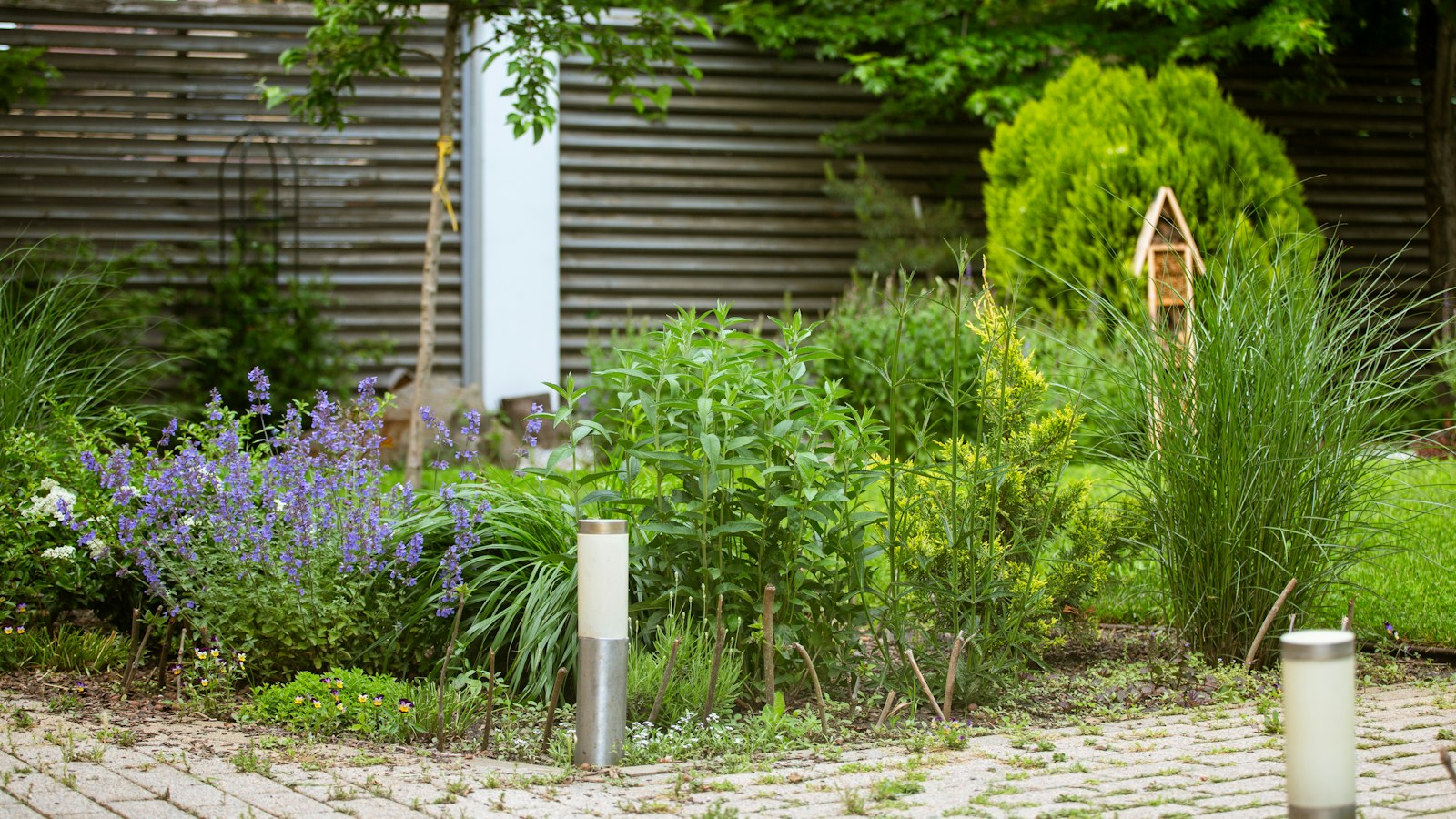
- Catmint (Nepeta)
- Yarrow
- Siberian iris
- Peony
- Lamb’s ear
- Bleeding heart
Shrubs
- Boxwood
- Spirea
- Forsythia
- Potentilla
- Butterfly bush
- Viburnum (resistant varieties)
Herbs
- Lavender
- Rosemary
- Sage
- Thyme
- Oregano
- Mint (contained, since it spreads)
Ornamental Grasses
- Switchgrass
- Feather reed grass (Karl Foerster)
- Fountain grass
- Little bluestem
- Miscanthus
Plants Deer Target First
Deer key in on soft, high moisture foliage with few bitter compounds. In this region, these are the plants that get hit hardest and earliest, often before anything else on the property shows damage:
- Hostas. Soft leaves, high moisture, almost no defenses. Usually the first thing browsed in a yard.
- Daylilies. Buds and flowers disappear overnight, sometimes the whole plant is chewed to the ground.
- Tulips. Bulbs, shoots and blooms are all attractive, which is why fall planted tulips so often vanish by spring.
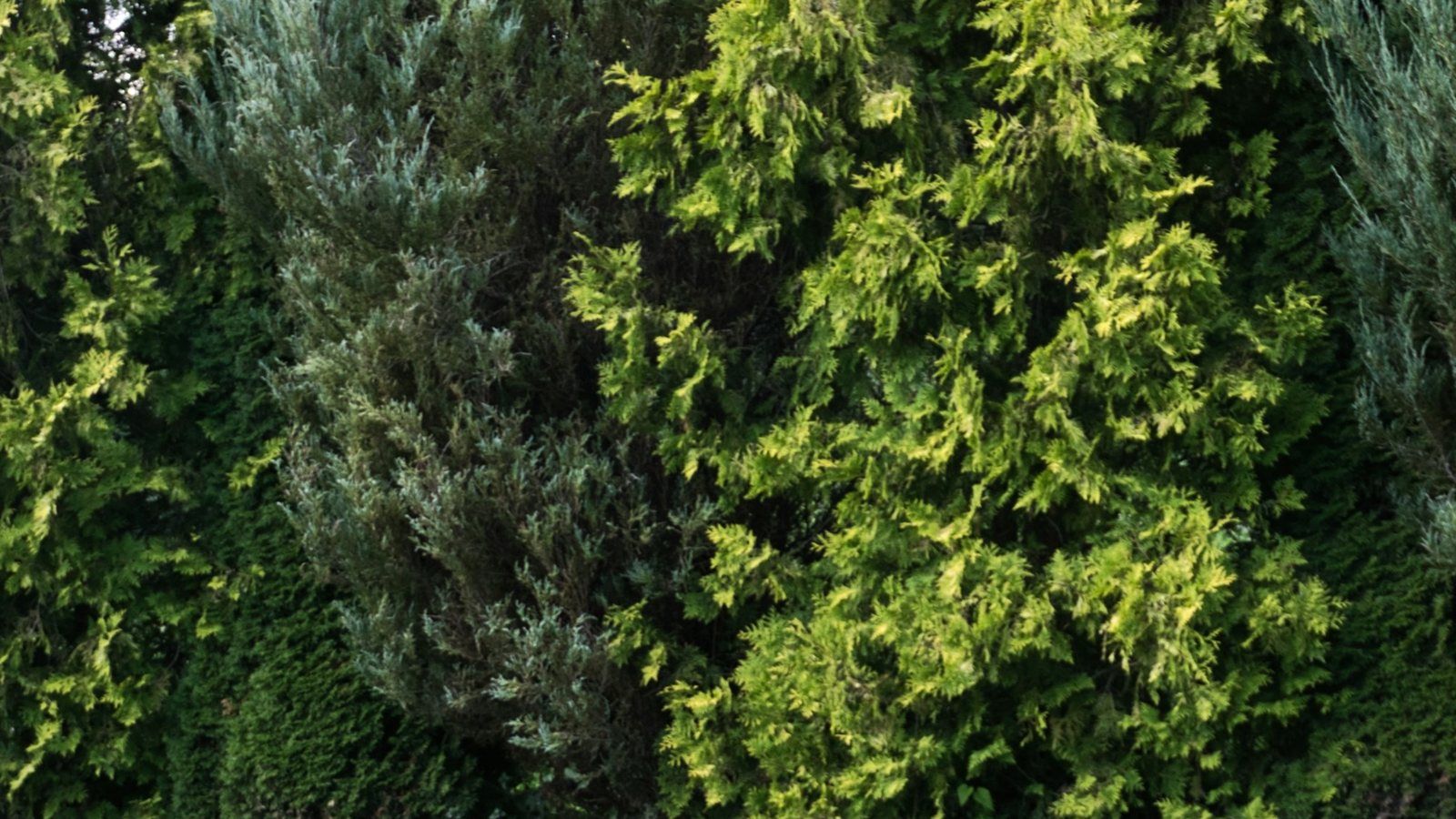
- Arborvitae. A winter staple for deer when other browse is scarce, and a slow growing shrub does not recover quickly from repeated hits.
- Yews. Heavily browsed and, worth noting for households with pets, toxic if eaten in quantity by animals other than deer.
- Roses. Tender new growth and buds are a favorite, thorns included.
Why Plant Choice Alone Is Not a Strategy on a Suburban Lot
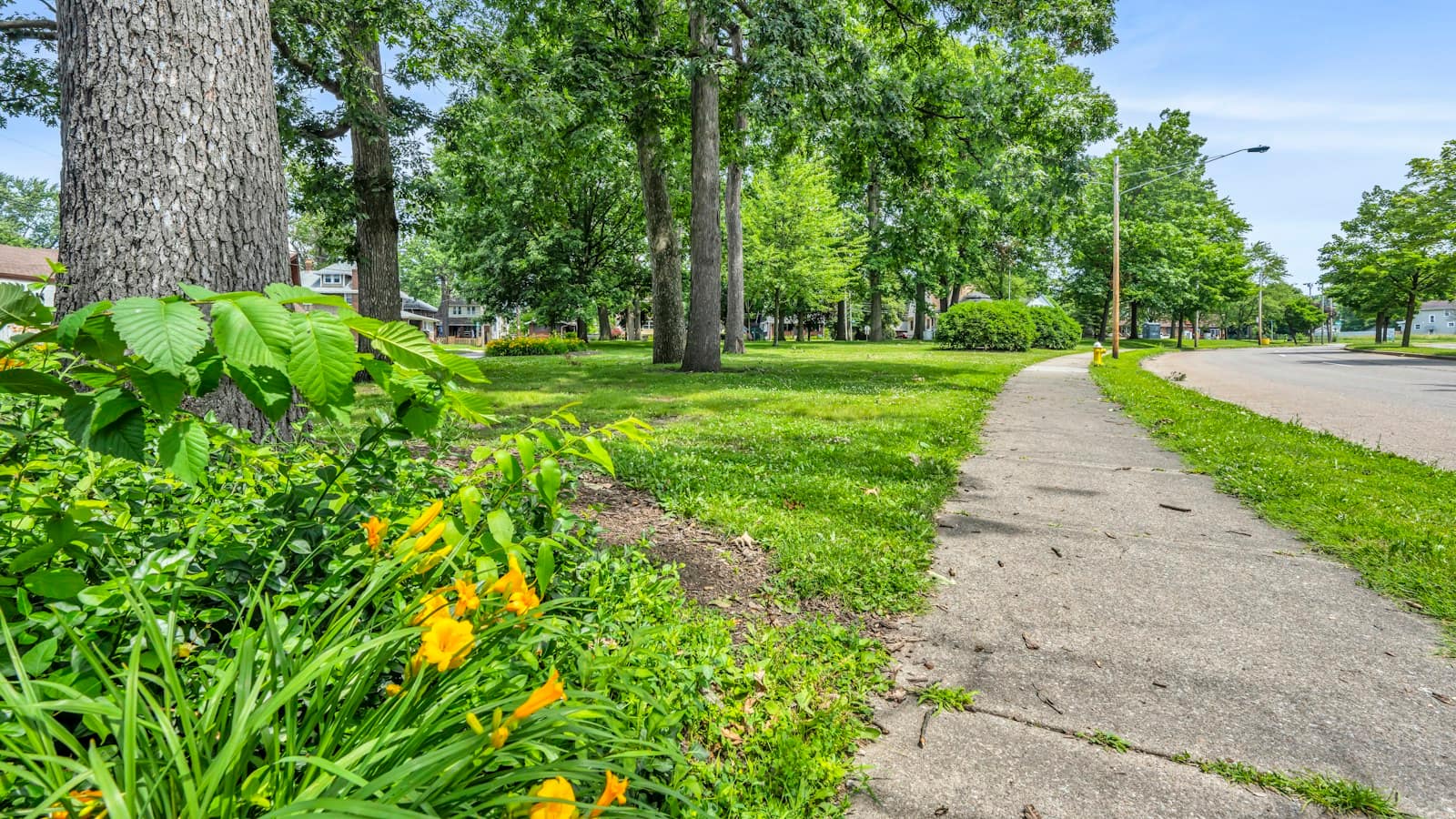
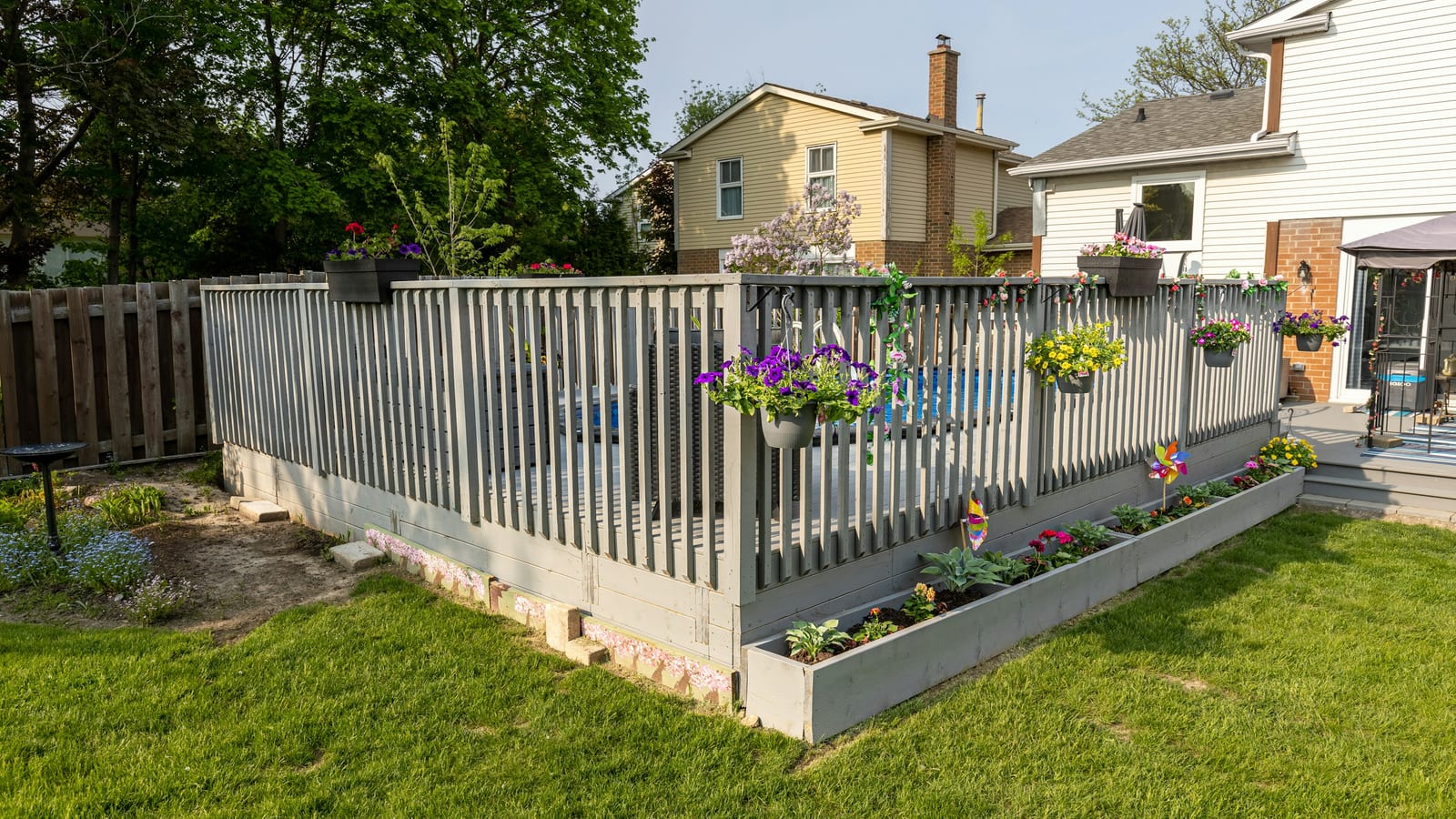
A rural property with acreage and room for a real perimeter fence can lean harder on plant selection and physical barriers. Most suburban lots in greater Cincinnati and Northern Kentucky do not have that luxury. Lots back up to wooded corridors, greenways and drainage easements that funnel deer straight through backyards, and a fence tall enough to stop a deer is rarely practical, allowed, or welcome on a quarter acre lot with neighbors on three sides.
That means the “resistant” plants in a front bed are usually growing within a few yards of a “target” plant like hostas or daylilies, and deer pass through the whole bed on the same evening walk. Planting only resistant species narrows the menu. It does not close the yard.
Deer resistant is a planting strategy, not a promise. A hungry deer in a hard winter will still browse plants it would normally walk past.
How Repellent Treatment and Plant Choice Work Together
The two approaches solve different parts of the same problem. Choosing resistant plants where you can reduces how much of the yard is worth a deer’s time in the first place. Repellent treatment protects the plants you actually want, including the ones deer target first, like hostas, daylilies, tulips and roses, that a resistant plant list simply cannot replace in most gardens.
Our technicians apply an all-natural, egg-based repellent to the plants deer browse most, on a schedule of every two weeks, year round, so rain and new growth never leave plants unprotected for long. Deer have a highly sensitive sense of smell, and the treated foliage develops a scent and taste they find unappealing, encouraging them to move along and feed elsewhere. Paired with smart plant choices in the beds that can handle them, it is a much more complete answer than either approach alone.
Where to Start on Your Property
If you are planning a new bed, start with the resistant list above and keep the plants deer target most in spots you are willing to protect. If you already have hostas, daylilies or a row of arborvitae you are not giving up, the fix is landscape deer protection rather than replacement. Our professional deer repellent is built for exactly those plants, and the same schedule covers rabbit damage on low growing beds. Homeowners across our service area in Greater Cincinnati, Dayton and Northern Kentucky start with an on-site evaluation.
Ready to stop replacing the same plants every spring? Request a free property estimate and we will walk the property with you.
Frequently Asked Questions
Are any plants completely safe from deer in Cincinnati?
No. Deer resistant describes plants deer usually avoid when other food is available. A hungry deer in a hard winter, or a young deer still learning what to eat, will sample almost anything, including plants on every resistant list.
Which plants do deer eat first in Greater Cincinnati yards?
Hostas, daylilies, tulips, arborvitae, yews and roses are the most common first targets. They have soft, high moisture foliage with few bitter compounds, so they are browsed before anything else on the property shows damage.
What are good deer resistant plants for Northern Kentucky and Southwest Ohio?
Perennials like Russian sage, catmint, yarrow and peony, shrubs like boxwood, spirea and forsythia, herbs like lavender, rosemary and thyme, and grasses like switchgrass and feather reed grass tend to hold up. Local deer pressure and weather still shift the picture.
Do I still need repellent treatment if I only plant deer resistant species?
On most suburban lots, yes. Resistant plants reduce how much of the yard is worth a deer's time, but the hostas, daylilies and roses most gardens still want need direct protection. Scheduled repellent treatment covers those plants. Results vary with deer pressure, weather, plant growth and application schedule.
Header photo by Tatyana Rubleva on Unsplash