Most people call us in October, and by then the conversation is already about damage. The arborvitae along the driveway has a clean browse line at four feet. The hostas that came back beautifully in June are chewed to nubs. A young maple that went in last spring has a strip of bark torn off the trunk, and nobody can figure out what did it.
None of that is bad luck. Fall is simply when deer stop having better options, and a maintained yard in Anderson Township or Fort Thomas becomes the most reliable food source for a quarter mile in any direction. The pressure is predictable, which means it is also something you can get in front of.
Why does deer damage get worse in the fall?
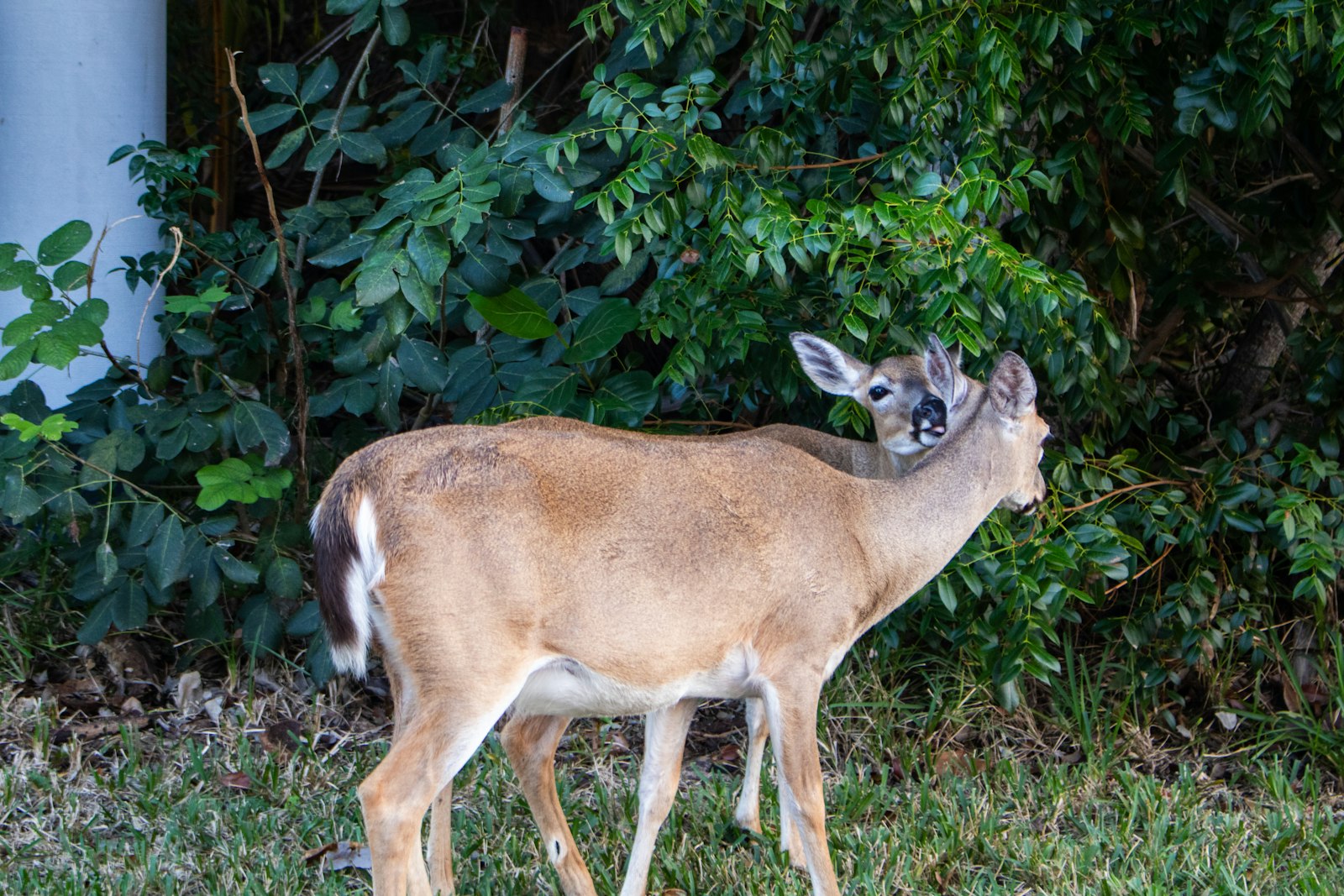
Deer browsing intensifies in fall because their natural food supply collapses while your landscaping stays green. Acorns drop and get eaten, herbaceous growth dies back after the first frosts, and agricultural fields get harvested. Maintained ornamental plantings become the most dependable calories available, right as deer are feeding hard before winter.
Through spring and summer, deer in the Ohio Valley have an enormous buffet: field edges, new growth in the woods, soybeans and corn, and whatever is coming up along every creek bottom and greenway in the county. Your yard is on the menu, but it competes with a lot.
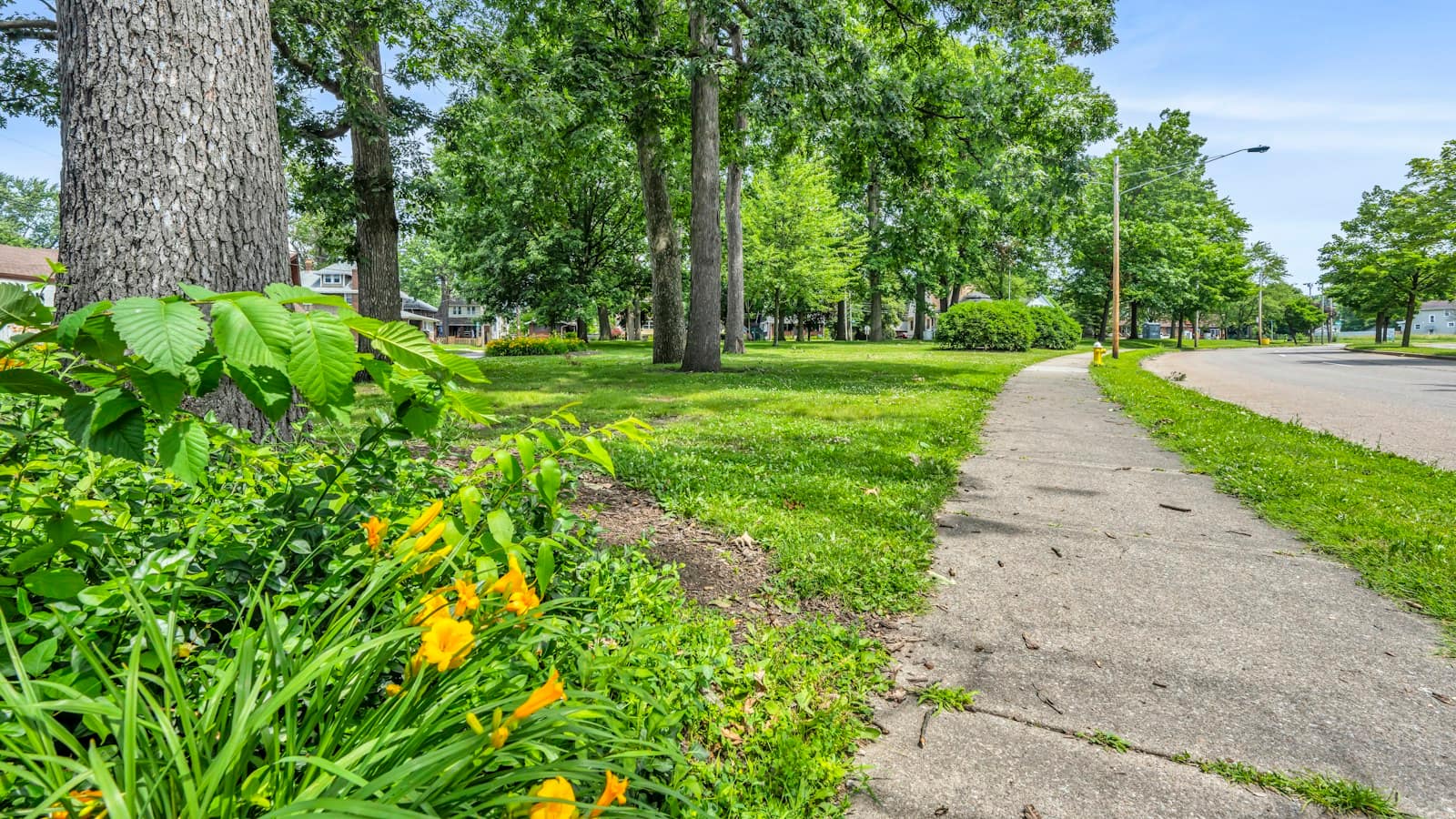
Then the season turns. Crops come out of the fields. Frost knocks back the soft green growth in the understory. Acorn drop is heavy for a few weeks and then it is gone, consumed by deer, turkeys and everything else in the woods. What is still standing, still green, still tender, and still watered? Landscaping. Yours specifically, if you live on a lot that backs up to woods, a drainage easement, or one of the wooded corridors that run through nearly every neighborhood in this region.
Deer are also feeding with more urgency. They are building fat reserves for winter, and does are feeding for the pregnancies that follow the rut. A deer that browsed casually in July browses seriously in November.
What are deer actually eating in October and November?
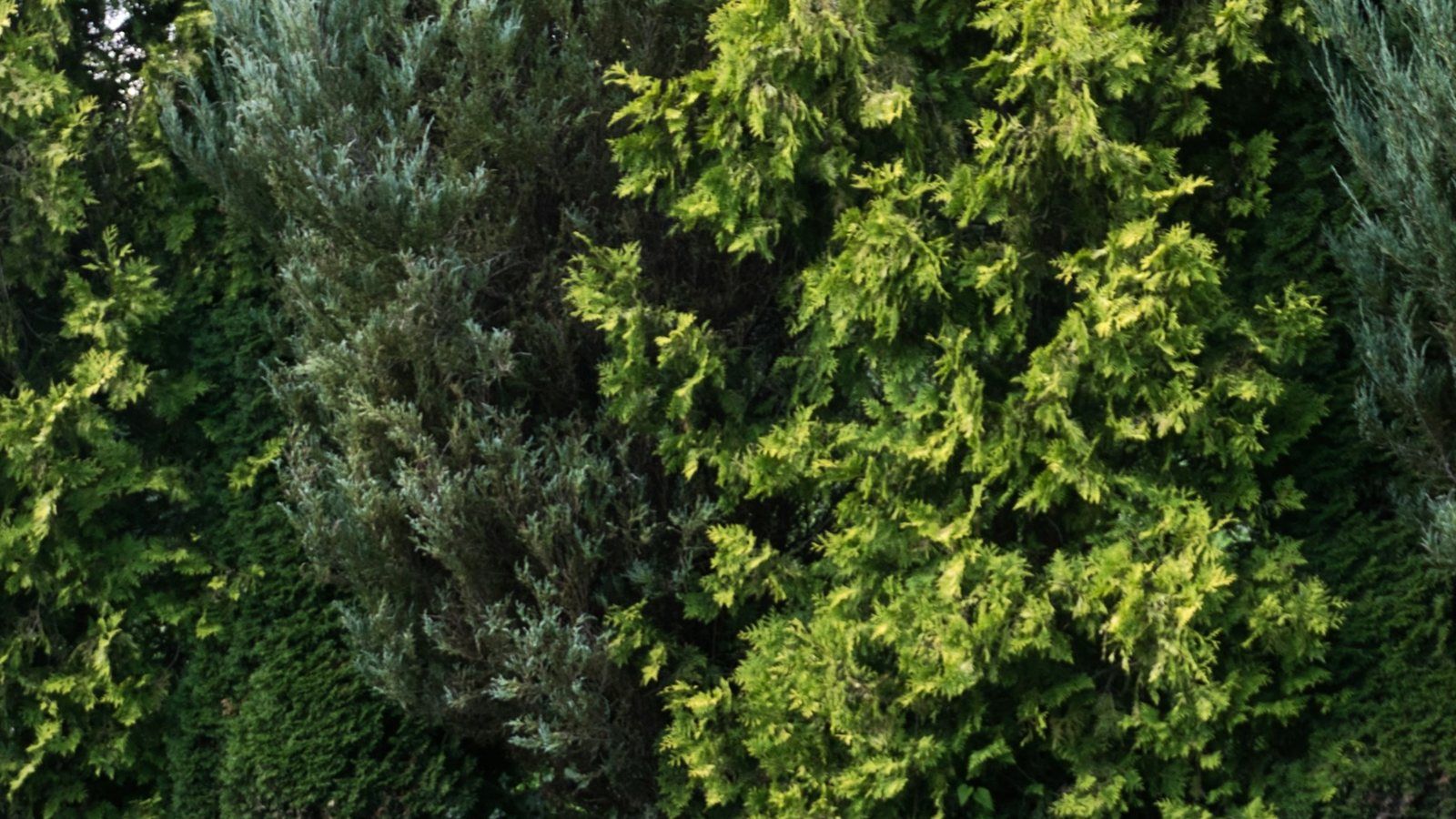
As soft forage disappears, deer shift to woody browse: the tips, buds and green foliage of shrubs and young trees. That is why evergreens like arborvitae and yews get hit so hard in late fall. They stay green and accessible when almost nothing else does, which makes them the winter staple rather than an occasional snack.
This shift catches people off guard because it changes what gets damaged. Summer browsing tends to hit flowers and soft perennials, which is annoying but recoverable. Fall and winter browsing hits the structural plants: the privacy row of arborvitae, the foundation yews, the ornamental shrubs that took eight years to fill in.
That is a different kind of loss, and it is the case for scheduled professional deer repellent spraying rather than reactive cleanup. A hosta chewed to the ground in July is usually back the following spring. An arborvitae stripped bare to four feet has no growth buds left on that wood, so it stays bare. You are not waiting a season. You are waiting for a replacement, or looking at a permanent gap in the screening you planted for privacy.
Why do bucks destroy young trees in the fall?
Bucks rub their antlers on young tree trunks in fall to remove drying velvet and to mark territory before and during the rut. The rubbing scrapes away bark, and because a tree moves water and nutrients through the layer just under that bark, a trunk rubbed all the way around can die even though nothing touched a single leaf.
This is the damage homeowners misdiagnose most often. People assume a deer ate something. Nobody ate anything. A buck picked their two-inch caliper maple, which happens to be exactly the right size and flexibility, and spent twenty minutes working it over.
Bucks favor smooth-barked young trees in the one to four inch range, which is precisely the size of every tree a landscaper installed in the last three or four years. They tend to return to the same rubs and the same general areas, so a property that had rub damage last fall is a strong candidate to have it again. We see the same pattern on HOA and commercial properties, where entrance plantings and common-area trees take the damage nobody is watching for.
If you have young trees you care about, this is the argument for trunk protection in addition to treatment. Repellent addresses what deer want to eat. It does not stop a buck from deciding your redbud is a good place to clean his antlers. Physical protection on the trunk is the honest answer for that specific problem, and we would rather tell you that than sell you something that does not solve it.
Which plants get hit first around Cincinnati and Northern Kentucky?
On most properties in this region, the first casualties are arborvitae, yews, hostas, daylilies, tulips and anything planted in the last twelve months. New plantings are especially vulnerable because nursery stock is fertilized, tender and unfamiliar, which makes it more appealing than established plants of the same species.
The pattern is consistent enough that we can usually predict what we will find before we walk a property. Arborvitae and yews take the worst of the late-season browsing. Hostas and daylilies get hit earlier and harder but usually recover. Tulip bulbs and shoots disappear. Fall-planted anything is at high risk through its first winter.
New plantings deserve special mention. A shrub that went in this fall has no established root system, no reserves, and no history of being passed over. Losing thirty percent of its foliage going into winter is a much bigger problem for that plant than for the identical shrub that has been in the ground six years. If you just finished a landscape project, that investment is the thing most worth protecting right now. That is a large share of what our residential deer repellent service actually gets hired to do.
When should you start treating for fall deer pressure?
Start before you see damage, ideally by early fall. Repellent works by making plants unappealing before deer establish a feeding pattern on your property. Once a route becomes habit, you are working against learned behavior instead of simply steering them somewhere easier.
Deer are creatures of routine. They move through the same corridors, bed in the same places, and feed where feeding has worked before. A property that is treated before the pattern forms is a property they route around without much thought. A property treated in December, after six weeks of easy meals, is a harder problem, because you are now competing with habit.
There is also a practical timing issue. Applications need dry conditions and reasonable temperatures to set properly, and both get less reliable as the season goes on. Waiting until damage is obvious often means waiting until conditions are working against you too.
We treat on a schedule every two weeks, year round, so rain and new growth never leave plants unprotected for long. You can see the full process on our how it works page.
Does anything besides repellent actually work?
Several things help, and none of them work alone on a typical suburban lot. Plant selection reduces how appealing a yard is. Trunk guards stop antler rubbing. Fencing works where it is practical, which is rarely. Repellent treatment protects the plants you actually want, including the ones deer target first.
We would rather be straight with you about this than oversell. Here is our honest read on the alternatives.
Plant selection genuinely helps and costs nothing if you are planting anyway. Choosing resistant species where you can narrows the menu. It does not close the yard, and it cannot save the hostas and tulips most people actually want.
Motion sprinklers and scare devices work briefly. Deer habituate fast. They are a reasonable supplement and a poor foundation.
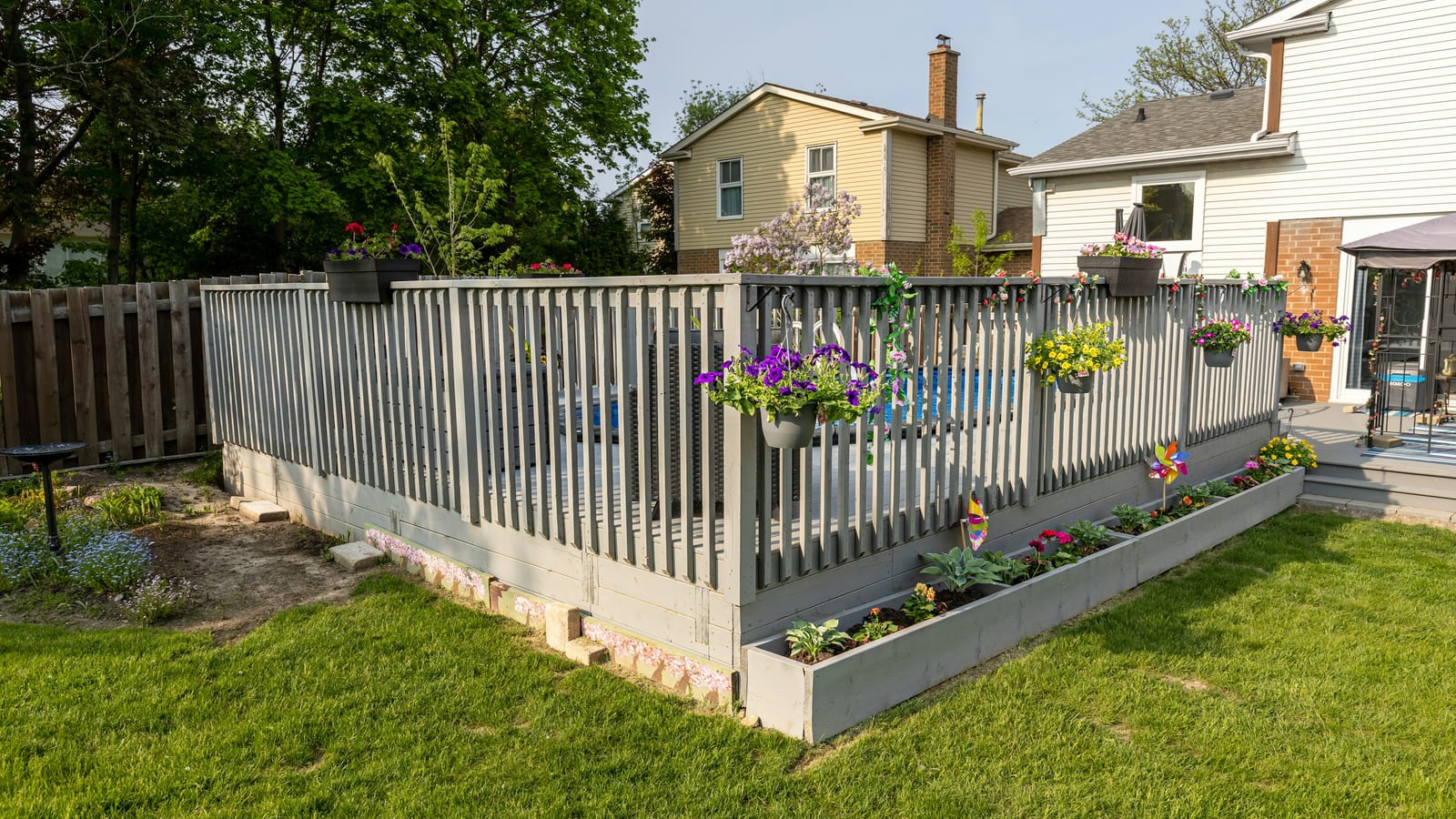
Fencing works, genuinely, when you can build it. On acreage it is often the right answer. On a quarter-acre lot with neighbors, an HOA, and a driveway, a fence tall enough to matter usually is not happening.
Trunk protection is the correct fix for antler rubbing specifically, as covered above.
Scheduled repellent treatment is our deer control service, and what it does well is protect the plants a resistant-plant list cannot replace, on a schedule that keeps working as new growth comes in. It is a deterrent, not eradication. Results vary with deer pressure, weather and plant growth, and anyone who promises you a deer-free property is telling you something they cannot deliver.
What this looks like on a real property
The properties that come through fall in good shape have usually done three things: treated before pressure built, protected young trunks physically, and accepted that a few high-value target plants need attention every year rather than once.
The ones that lose plants almost always waited for evidence. By the time a browse line is visible on a row of arborvitae, the growth that would have hidden it is already gone.
If your yard backs up to woods anywhere in greater Cincinnati or Northern Kentucky, you are on a deer route whether you have noticed it or not. The question is only whether your landscaping is the easiest stop on it.
We treat properties across the communities we serve in Ohio and Northern Kentucky. If you want someone to walk your property and tell you honestly what is at risk this season, request a free estimate or call 513-518-0262. More answers to common questions are on our FAQ page.
Frequently Asked Questions
When does deer damage usually start around Cincinnati?
Most properties see browsing pick up in September and peak between late October and December. It tracks the loss of natural food and the rut, not the calendar, so a warm fall can push it later and an early hard freeze can pull it forward.
Do deer really eat plants they ignored all summer?
Yes. Deer-resistant is a preference ranking, not a guarantee. When the food they prefer is gone, plants they walked past in July become worth eating in November. Hunger changes the menu.
Will a fence solve this on a normal suburban lot?
Rarely. A fence tall enough to reliably stop deer is usually impractical, not permitted, or unwelcome on a quarter-acre lot with neighbors on three sides. Most Cincinnati properties need a different approach.
Is the repellent safe around pets and kids?
Our formula is all-natural and egg-based, and it is safe for pets, people and plants when used as directed. Keep people and pets off treated areas until the product has dried, which usually takes two to three hours.
What happens if I wait until I see damage?
You can still treat, and it still helps, but you are protecting what is left rather than what you had. Woody plants like arborvitae and yews do not fill back in the way perennials do, so waiting often costs you the plant.
Header photo by Zoshua Colah on Unsplash